
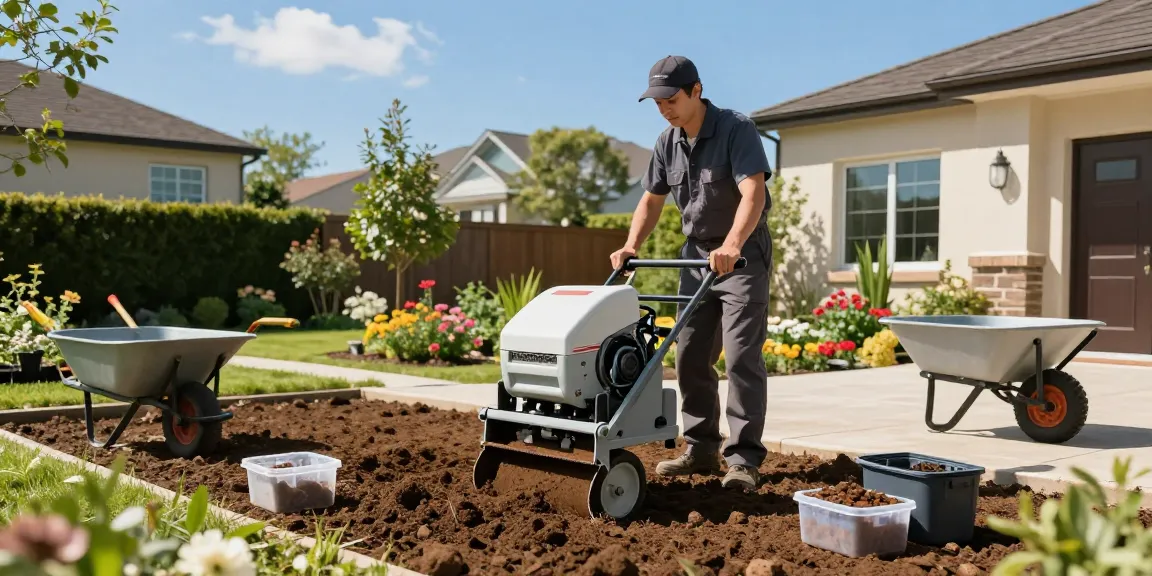
Understanding the Importance of Soil Screening
Soil screening is a critical practice that helps to ensure the health and fertility of our land. In regions like Ottawa, where diverse agricultural and urban environments exist, understanding the condition of soil can significantly influence gardening, landscaping, and construction projects. Conducting thorough soil screening allows individuals and professionals alike to make informed decisions, leading to better crop yields and sustainable land use. For those considering soil management practices in the Ottawa area, soil screening ottawa services provide valuable insights into local soil quality and health.
What is Soil Screening?
Soil screening involves the process of filtering and analyzing soil samples to assess their physical and chemical properties. This process can reveal vital information about soil texture, nutrient availability, contamination levels, and moisture content. Soil screening typically includes physical separation of soil particles and laboratory analysis to provide a comprehensive overview of soil health.
Benefits of Soil Screening in Ottawa
The benefits of soil screening are manifold, particularly in Ottawa's unique climate and soil composition. Here are several key advantages:
- Enhanced Crop Production: By understanding the nutrient availability, farmers can tailor their fertilization strategies to improve crop yields.
- Soil Contamination Identification: Early detection of contaminants such as heavy metals or toxins can prevent larger environmental issues and health risks.
- Improved Landscaping: For landscaping projects, soil screening helps determine the best plants for specific soil conditions, promoting healthier ecosystems.
- Informed Land Development: Developers can assess soil stability and suitability for construction, minimizing risks associated with poor soil quality.
Identifying Soil Quality Issues
Identifying soil quality issues early through screening can save time and resources. Common problems include low nutrient levels, excessive salinity, and contamination. Regular soil testing can help landowners and gardeners to monitor their soil condition over time and adapt care strategies as needed.
Essential Soil Screening Techniques
How to Conduct Soil Screening
Conducting soil screening typically involves a series of steps:
- Sample Collection: Gather soil samples from different areas of the land to get an accurate representation.
- Drying and Sieving: Dry the samples and sieve them to remove larger particles and debris.
- Laboratory Testing: Send the samples to a laboratory for comprehensive analysis including pH, nutrient levels, and contaminants.
Tools and Equipment Needed for Screening
For effective soil screening, certain tools and equipment are essential:
- Soil Probe: For collecting soil samples from various depths.
- Sieve: For separating soil particles based on size.
- Laboratory Kits: For home testing of pH levels and nutrient content.
Common Soil Testing Methods Explained
Several methods can be employed for soil testing, including:
- pH Testing: To determine acidity or alkalinity levels, which affects nutrient availability.
- Electrical Conductivity: Measures soil salinity, important for plant health.
- Nutrient Analysis: Assesses macronutrients (N, P, K) and micronutrients necessary for plant growth.
Choosing the Right Service for Soil Screening in Ottawa
Factors to Consider When Selecting a Professional
When choosing a soil screening service, consider the following:
- Expertise and Credentials: Look for services with certified professionals and positive client reviews.
- Range of Services: Ensure the provider offers comprehensive testing and analysis options.
- Turnaround Time: Quick turnaround is often critical for agricultural decisions.
Cost Considerations for Soil Screening in Ottawa
The cost of soil screening can vary based on several factors, including:
- Type of testing required (basic vs. comprehensive).
- Laboratory fees.
- Travel and handling costs.
On average, soil testing in Ottawa can range from $50 to $150, depending on the complexity of the analysis.
Top Service Providers for Soil Screening
In Ottawa, several reputable services offer soil screening, including:
- Eurofins Environment Testing: Known for comprehensive soil analysis services.
- A&L Canada Laboratories: Offers a broad range of soil testing for home gardens and commercial use.
- Paterson Group: Specializes in laboratory testing for construction and environmental assessments.
Case Studies: Successful Soil Screening Applications
Residential Gardening and Soil Improvement
Many Ottawa residents have successfully improved their garden yields through soil screening. By understanding their soil’s nutrient composition, homeowners can amend their gardens with the appropriate fertilizers or organic materials, creating a thriving horticultural environment.
Commercial Land Development Insights
Commercial developers in Ottawa have utilized soil screening to assess land suitability for projects. This proactive approach has minimized costly construction-related issues, ensuring that foundations are built on stable and appropriate soil types.
Environmental Benefits of Effective Soil Screening
Effective soil screening can lead to significant environmental benefits, including:
- Restoration of contaminated lands through proper remediation.
- Promotion of biodiversity by optimizing plant selection based on soil health.
- Contributing to sustainable urban development practices.
Future Trends in Soil Screening Practices
Innovative Technologies in Soil Screening
The future of soil screening is leaning heavily towards technological advancements. Emerging technologies, such as remote sensing and artificial intelligence, are set to enhance the accuracy and efficiency of soil testing, allowing for real-time data collection and analysis.
Impact of Climate Change on Soil Quality
Climate change poses significant threats to soil health. Increased precipitation and temperature fluctuations can lead to soil erosion, nutrient leaching, and salinity issues. Regular soil screening will become vital for adapting agricultural practices to these changing conditions.
Regulatory Considerations for Soil Testing in 2026
As regulations around environmental protections and land use become increasingly stringent, the importance of soil screening in compliance will continue to grow. Businesses and landowners will need to keep abreast of new guidelines to avoid potential legal and financial repercussions.
What is soil screening and why is it important?
Soil screening is vital for assessing the health and suitability of soil for various applications, from agriculture to construction. It identifies key issues that could affect plant growth and land stability, highlighting its importance in sustainable practices.
How often should soil screening be done?
Soil screening is typically recommended every 2 to 3 years, though more frequent testing may be advisable for high-yield agricultural lands or areas undergoing significant environmental changes.
What are the costs associated with soil screening in Ottawa?
Costs can vary based on the type of analyses conducted, but they typically range from $50 to $150, depending on the provider and services requested.
Can I perform soil screening myself?
While basic soil tests can be done at home with kits available at garden centers, more comprehensive analysis usually requires professional testing to ensure accuracy and reliability.
What trends should we expect in soil screening by 2026?
Expect to see increased reliance on technology in soil screening, including precision agriculture tools and advanced testing methods that provide more precise data about soil health.