
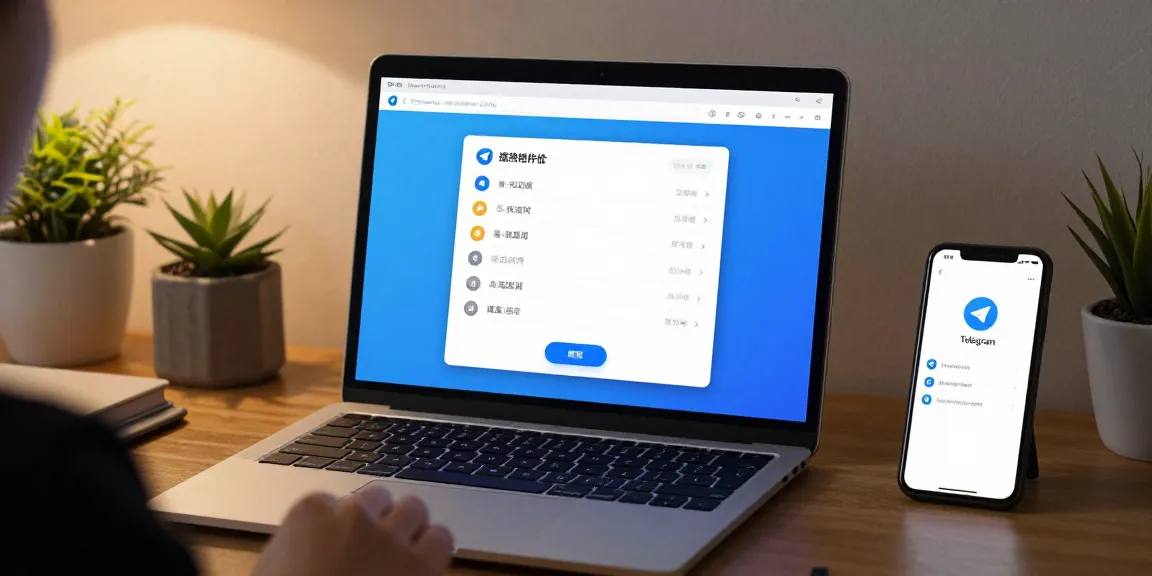
Understanding Telegram’s Language Options
Telegram, known for its robust security and privacy features, is an instant messaging app that has gained immense popularity worldwide. However, many Chinese-speaking users face challenges when trying to use the app in their native language. This is primarily due to the absence of official Chinese language support. As of 2024, users can explore unofficial language packs to set their Telegram interface to either Simplified or Traditional Chinese. A comprehensive guide on Telegram中文 settings will help ease this process, enabling users to communicate seamlessly.
What is Telegram Chinese?
Telegram Chinese refers to the non-official adaptations of the Telegram interface in both Simplified and Traditional Chinese. While Telegram provides various language options worldwide, Chinese remains unsupported directly by Telegram’s development team. Thus, many users rely on community-driven translations that can vary in quality. By utilizing these unofficial language packs, Chinese speakers can navigate the app in a more familiar linguistic environment, enhancing their overall experience.
Overview of Language Packs
Language packs are collections of translations that allow users to experience applications in various languages. In the context of Telegram, these packs are created by users and distributed online. While some packs achieve a high level of accuracy and completeness, others may suffer from outdated or incorrect translations. With the right guidance, users can select a suitable language pack that meets their needs, ensuring they can enjoy Telegram without language barriers.
The Importance of User-Focused Translation
User-focused translation is vital for any application, especially for communication platforms like Telegram. High-quality translations can significantly impact user experience, enabling clearer communication and reducing misunderstandings. When users can interact with the interface in their native language, they are more likely to engage with the app’s features fully, fostering a stronger user community. This is particularly critical for apps like Telegram, which thrive on user interaction and community engagement.
Setting Up Telegram on Desktop
Step-by-Step Guide for Windows and Mac
Setting up a Chinese interface on Telegram for desktop is straightforward. Follow these steps to customize your application:
- Simplified Chinese: Click here
- Traditional Chinese (Hong Kong): Click here
- Traditional Chinese (Taiwan): Click here
- A prompt will appear in your browser asking to open Telegram Desktop.
- Confirm the prompt, and Telegram will launch, directing you to the language settings.
- Select the preferred Chinese language pack and click “Apply Language” to implement the changes.
Choosing the Right Language Pack
Choosing the correct language pack is crucial for a smooth user experience. Prioritize language packs that are highly rated within the community and have frequent updates, as these are typically more reliable. Often, the Simplified Chinese version is recommended due to its higher translation completion rate compared to Traditional versions. If you are interested in a specific region’s dialect, like Hong Kong or Taiwan, these options are also available, allowing for a more personalized Telegram experience.
Applying Language Settings Effectively
Applying language settings effectively involves understanding how the Telegram interface responds to updates. After selecting and applying your language pack, it’s essential to navigate through the app and check for any translational discrepancies. Users should report any significant issues back to the community or the source of the language pack, helping to enhance the experience for others.
Configuring Telegram on Mobile Devices
Download and Install Telegram App
To use Telegram in Chinese on mobile devices, you’ll first need to install the app. Both Android and iOS versions are available and can be downloaded from their respective app stores.
Selecting Language Options on Android and iOS
After installation, follow the steps to select a Chinese language pack on your mobile device:
- Simplified Chinese: Click here
- Traditional Chinese (Hong Kong): Click here
- Traditional Chinese (Taiwan): Click here
- Your device will automatically redirect you to the Telegram app, displaying the language application prompt.
- Tap “Apply Language” to switch your Telegram interface to the chosen language.
Ensuring Smooth Transition to Chinese Interface
It’s essential to ensure a smooth transition when switching to the Chinese interface. After applying the language settings, take some time to familiarize yourself with the interface. Look for common phrases and features to ensure they are displayed correctly, helping you identify and report any potential issues that may arise from unofficial translations.
Challenges and Limitations of Language Packs
Common Issues with Non-Official Translations
Non-official translations often lead to various challenges, including inconsistencies in terminology and outdated translations. Users may find that certain phrases do not reflect current usage or may even be entirely missing. This inconsistency can lead to confusion, particularly when technical terminology is involved.
Impact of Quality on User Experience
The quality of the language pack directly affects user experience. An effective translation enhances usability and helps users engage more fully with the app. Conversely, poor translations can result in frustration and a disinclination to use the platform, undermining Telegram’s goal as a user-friendly communication tool. Therefore, users should actively seek out quality packs and participate in community discussions about improvements.
Keeping Language Packs Updated
Given that Telegram is constantly evolving, it’s vital that language packs are updated regularly. Users are encouraged to join relevant communities where updates are shared and improvements can be discussed. Staying informed about the latest versions ensures that users can maintain a seamless experience.
Future Trends in Messaging Apps
Predictions for 2026 and Beyond
The future of messaging apps, including Telegram, is promising, particularly concerning language support. As the global user base grows, the demand for various languages, including Chinese, will likely increase. Developers may eventually consider official support for these languages based on user feedback and demand.
Innovations in Language Support
Innovations in artificial intelligence and machine learning could also revolutionize how language support is integrated within apps like Telegram. Features such as real-time translation and adaptive language settings may enhance user experience considerably, allowing for smoother communication across language barriers.
Community Contributions and Their Impact
Community contributions will remain a cornerstone for advancing language support. Engaging users to provide feedback, suggestions, and translations can create a more inclusive environment. Platforms that prioritize user input are more likely to succeed in meeting the needs of their diverse user bases.
How can I switch languages on Telegram?
Switching languages on Telegram can be done by selecting the desired language pack through external links and applying it within the app.
Are there official Chinese language packs for Telegram?
No, Telegram does not offer official Chinese language packs; users must rely on community-generated translations.
What are the best practices for using Telegram in Chinese?
Best practices include selecting highly rated language packs, staying updated with translations, and participating in community discussions for feedback and improvements.
How to report translation errors in Telegram?
Users can report translation errors through the community groups or directly to the source of the language pack they are using.
What should I do if the language doesn’t switch properly?
If the interface doesn’t switch to the desired language, double-check the installation of the language pack and consider reinstalling or trying a different pack.